Architecture & applications
Understand core platforms, dependencies, custom software, maintainability and structural constraints.
Technology due diligence helps buyers, investors and transaction teams understand whether the target’s systems, architecture, security, data, vendors and operating model can support the deal thesis—or introduce cost, risk and delay after close.
Focus the transaction team on the technology evidence, dependencies and decisions that can materially affect value, continuity and execution.
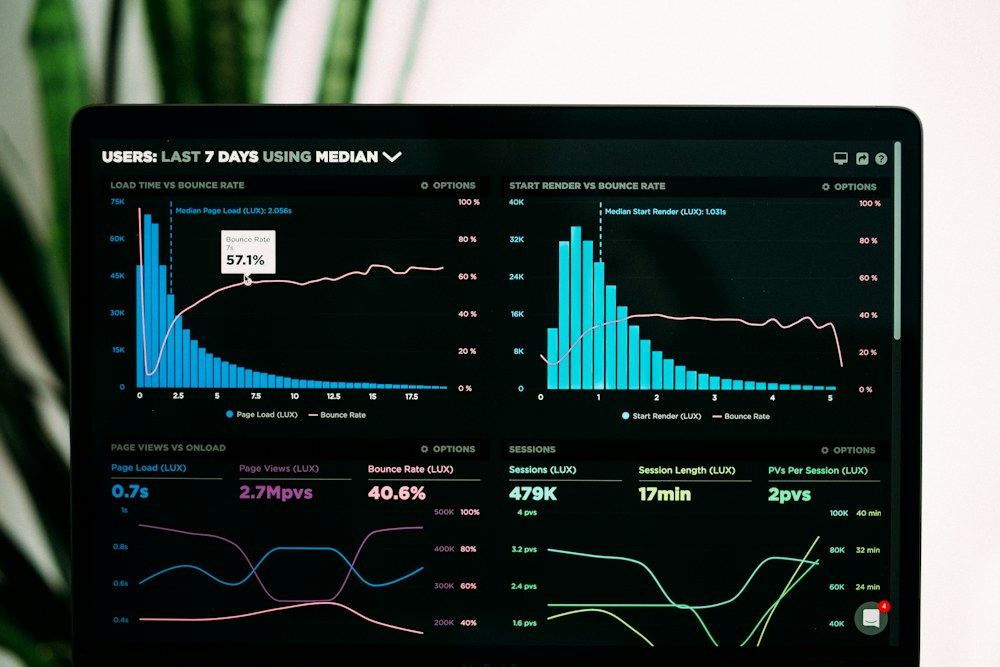
Understand core platforms, dependencies, custom software, maintainability and structural constraints.
Assess hosting, scalability, resilience, cost profile, observability and operational maturity.
Review controls, identity, incident readiness, vulnerabilities and material exposure.
Examine data quality, ownership, interfaces, pipelines and critical system dependencies.
Translate technology complexity into clear transaction decisions, priorities and execution paths without adding unnecessary process.
 COST
Identify modernization, licensing, infrastructure or staffing costs not obvious in headline financials.
 CONTINUITY
Surface single points of failure, key-person risk and business-critical systems with weak resilience.
 SCALE
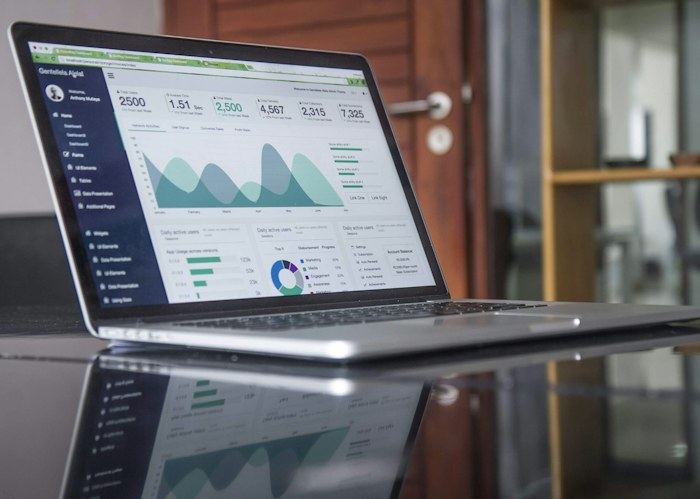
Test whether architecture and operations can support the business plan without disproportionate reinvestment.
 CONTROL
Make cybersecurity and access-control issues visible before ownership changes.
Translate technology complexity into clear transaction decisions, priorities and execution paths without adding unnecessary process.

Align the review with the deal thesis, target operating model and materiality thresholds.
Review systems, documentation, interviews, architecture, controls and operational realities.
Separate material findings from normal technology imperfection and connect them to cost, risk or execution.
Define what matters pre-close, Day 1, the first 100 days and longer term.
Translate technology complexity into clear transaction decisions, priorities and execution paths without adding unnecessary process.

Material findings, severity, business relevance and the decisions they should inform.
Prioritized technical and operating risks with practical implications.
Likely modernization, remediation and transition cost areas.
Actions that should move quickly after close.
Each advisory path addresses a different transaction technology question while staying connected to the same evidence-to-execution model.
 Transform
Deepen diligence findings into a structured technical assessment and decision-ready workstream.
Explore Service Transform
Address technical debt and aging platforms identified during diligence.
Explore Service Operate
Strengthen controls and remediate security exposure identified before or after close.
Explore Service Transform
Execute infrastructure and platform changes required by the transaction roadmap.
Explore ServiceBring the objective, constraint or technology decision in front of you. We’ll help clarify the path forward and the right level of support.
 Technology Due DiligenceThis advisory page
 Vendor AssessmentExplore advisory
 Deal Technology StructuringExplore advisory
 Post-Merger IntegrationExplore advisory
 Technology AuditExplore advisory