Customer Model
Tenants, organizations, workspaces, users, roles and permissions.
ITMagix designs and engineers SaaS products and digital platforms around the full operating model: customers, tenancy, subscriptions, entitlements, workflows, integrations, data and cloud operations.
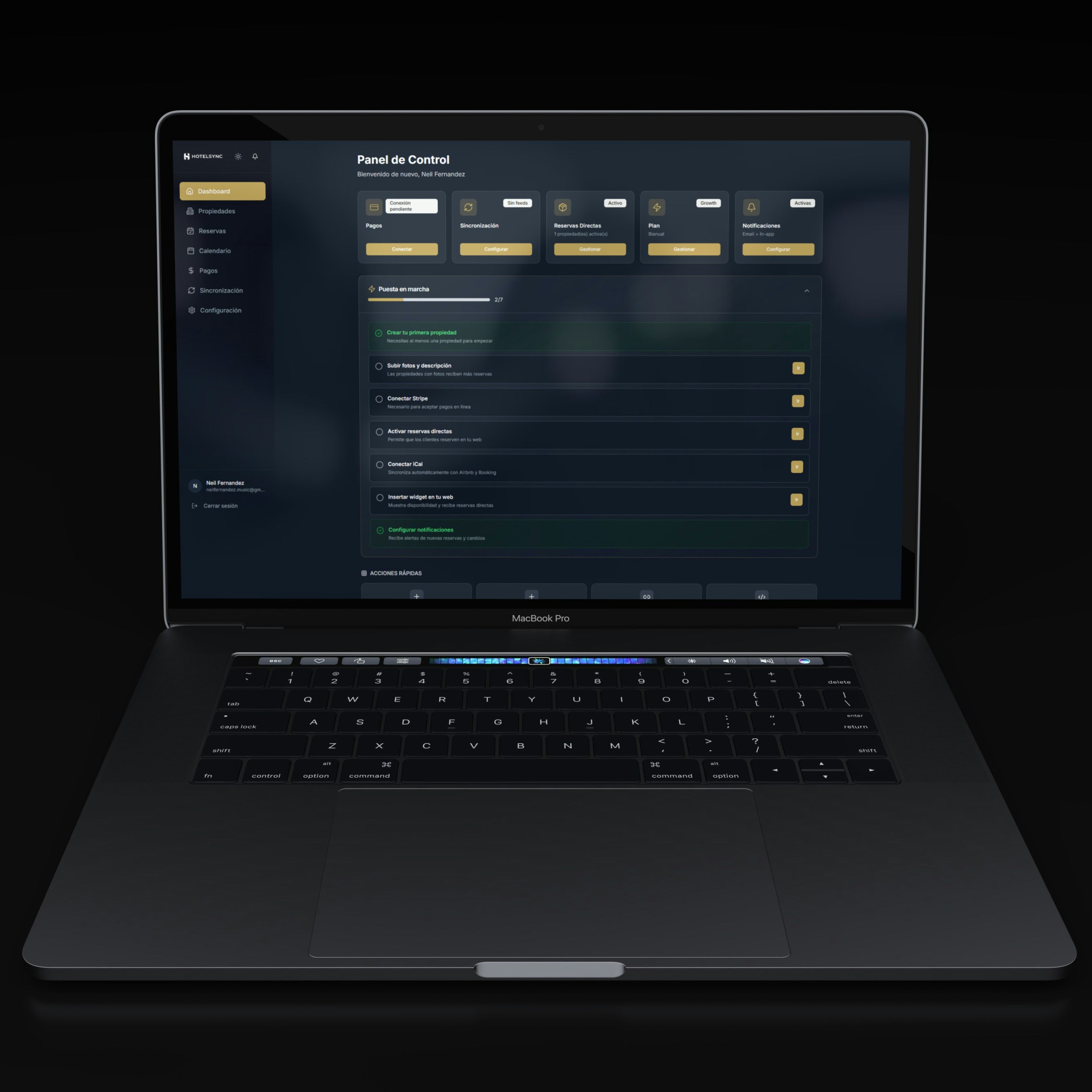
Customers see the product. The company behind it has to manage accounts, packaging, usage, support, releases and reliability repeatedly across every customer.
Tenants, organizations, workspaces, users, roles and permissions.
Trials, subscriptions, usage, plans, entitlements and billing behavior.
Reusable services, workflows, integrations and product capabilities.
Release, support, observability, reliability and continuous product evolution.

The goal is not to build every possible platform feature. It is to create the shared product capabilities that customers and operators will depend on repeatedly.
Design customer boundaries, workspaces, roles and reusable platform behavior without turning every account into a custom deployment.
Keep what customers buy aligned with what the platform allows them to use.
Trials · Plans · Usage · AccessGive customers and internal teams the controls needed to manage people, access and configuration.
Users · Roles · Admin · SupportConnect the product cleanly to billing, CRM, identity, customer systems and third-party services.
APIs · Events · Webhooks · PartnersCapture product signals that support reporting, product decisions, support and commercial insight.
Usage · Events · Analytics · Reporting
Support continuous delivery with the observability, resilience, security and runtime choices appropriate to the product and operating team.

Platform work becomes important when more customers, more packaging, more integrations or faster product change expose decisions that were manageable earlier but no longer scale cleanly.
The product now needs clearer customer boundaries, ownership and repeatable operations.
New customers increasingly require one-off logic that should become configurable product behavior.
Commercial packaging has outgrown the platform’s ability to represent access consistently.
Release speed, support, reliability or product usage are becoming difficult to understand at scale.
The platform should make common product capabilities reusable, integrations intentional and operations visible—without creating a giant central system that becomes difficult to change.
Application · Workspace · Administration
Product data · Usage · Analytics
Billing · CRM · Identity · APIs
Runtime · Release · Observability · Support
The aim is not to over-engineer early. It is to make the important product and platform decisions visible, then strengthen the foundation as real customer and operating needs justify it.
Customers, users, packaging, workflows, integrations and ownership.
Shared services, data, APIs, events and responsibilities.
Validate behavior against real customer and operational scenarios.
Release, observability, support, documentation and ongoing ownership.
ITMagix stays platform-agnostic. Frameworks and cloud services matter, but the stronger decisions are about how the product will be owned, changed, integrated and operated.
Customer structure, data boundaries, configuration and operational ownership shape the tenancy model.
Keep common workflows and rules stable without turning the product into an oversized central service.
Match storage and event patterns to transactions, reporting, analytics and integration volume.
Balance availability, observability, security, cost and the capability of the team operating the platform.
Better product velocity, clearer customer structure, more flexible packaging and stronger operating visibility.
Start with the product model, current platform, customer structure or growth constraint. We’ll help clarify the right build path and the architecture behind it.