REPETITION
People spend time moving the same information between systems.
Services · Automate
Put intelligence into the work—not beside it.
ITMagix connects AI, data and automation to the processes, decisions and customer interactions that actually run the business—so automation becomes part of execution instead of another disconnected tool.
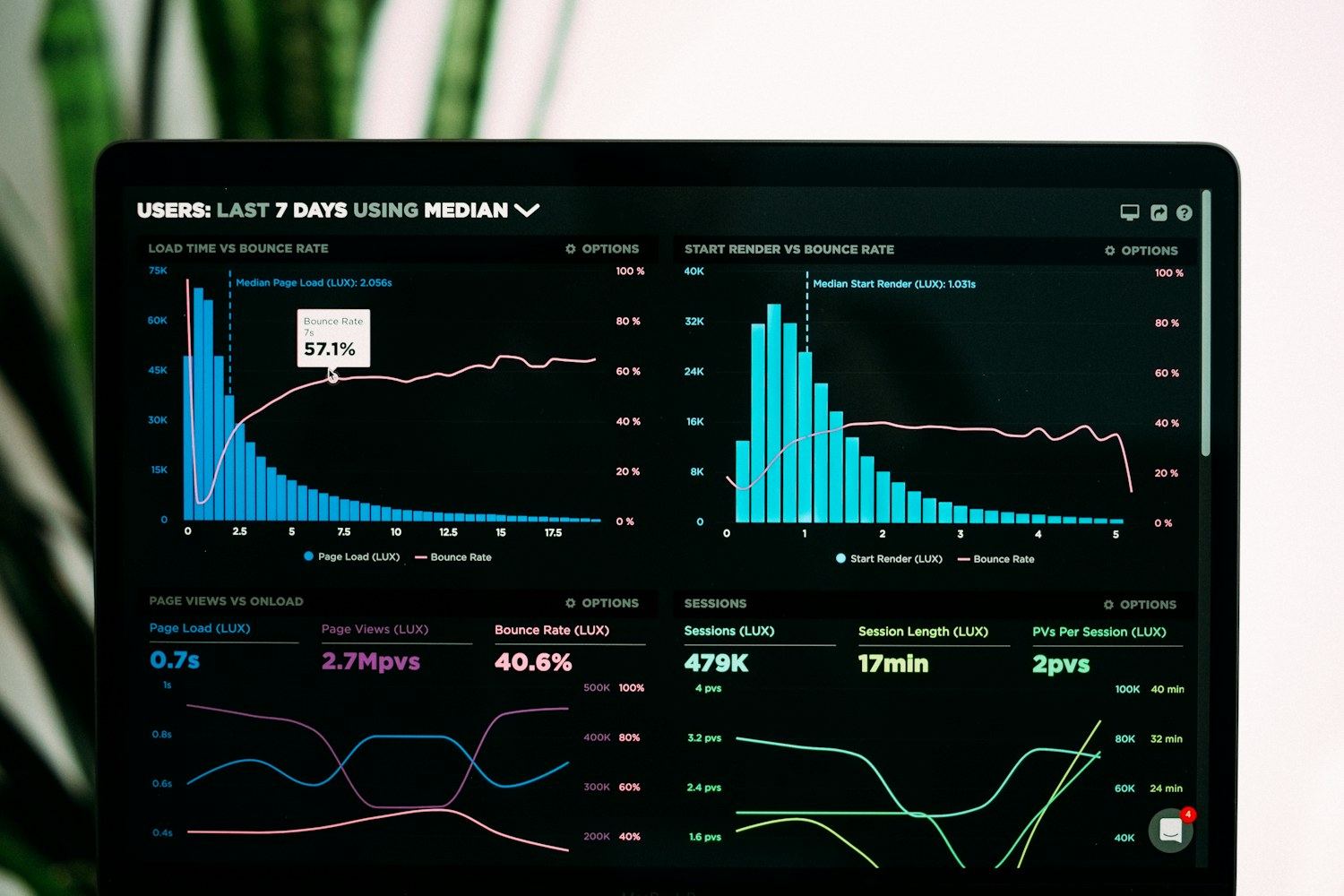
INTELLIGENT WORKFLOW
01
Observe
Data · Signals · Events
02
Understand
AI · Rules · Context
03
Act
Workflow · Agent · System
04
Measure
Outcome · Feedback · Control
INTELLIGENCE
AI where judgment or interpretation adds value.
ORCHESTRATION
Systems, people and actions connected in one flow.
DATAReliable inputs and operating context
INTELLIGENCEAI, models, rules and decisions
WORKFLOWTriggers, actions and approvals
CONTROLOwnership, monitoring and feedback
Explore Automate Services
Choose the right path for what you need to automate.
Go directly to the specialist capability that matches the automation opportunity in front of you. Each page goes deeper into the use cases, architecture, controls and delivery approach for that service.




Where Automation Creates Value
The opportunity usually appears where work slows down, repeats or loses context.
Automation does not need to begin with a large AI program. It can begin with one recurring decision, one manual handoff, one reporting bottleneck or one customer interaction that consumes more effort than it should.
DECISION LOAD
Teams repeatedly classify, route, summarize or interpret similar information.
VISIBILITY
Managers wait for manually assembled reports before they can act.
CUSTOMER RESPONSE
Routine requests delay service because context sits across disconnected systems.
Automation Services
Six paths into intelligent automation—designed to connect when the problem crosses boundaries.
AI, data, analytics and workflow automation often overlap in practice. The design below keeps each capability clear while showing how they can work as one operating system.

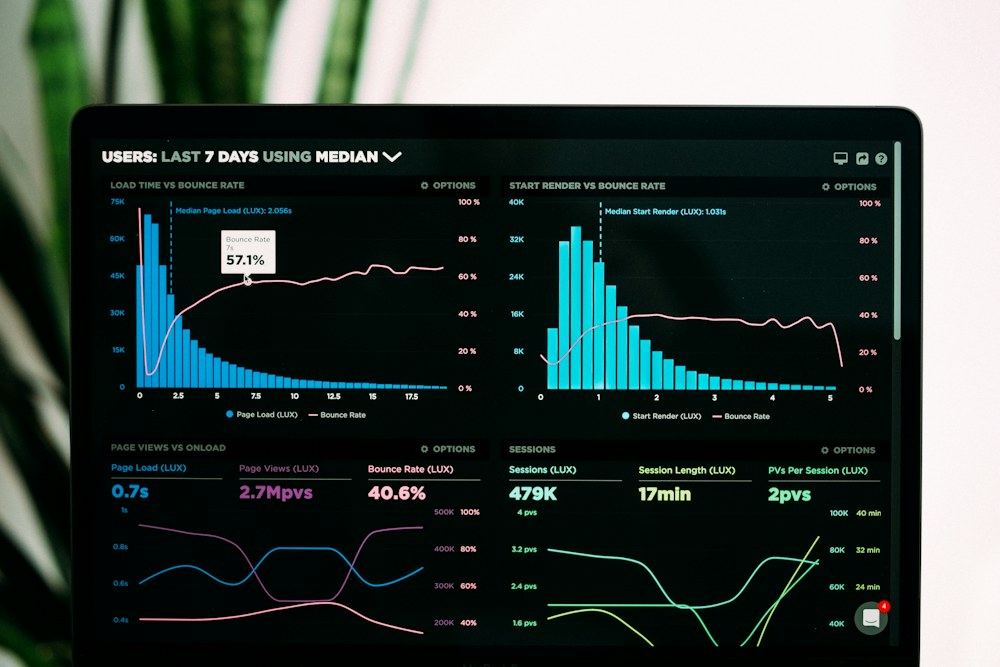
03 · BI & DASHBOARDS
Turn operating data into visibility that supports the next decision.
Executive dashboards, operational reporting, KPI models and decision views built around how teams actually manage the business.
Explore
04 · CRM AUTOMATION
Move customer work forward without losing ownership.
Lead routing, follow-up, lifecycle actions, service workflows and connected CRM processes.

06 · WORKFLOW AUTOMATION
Explore
Connect triggers, rules, approvals, systems and people into a repeatable operating flow.
From simple handoffs to multi-system orchestration with exceptions and control points.
Automation System
Reliable automation needs a visible operating architecture—not just an AI layer.
ITMagix designs automation as a connected system: signals come in, intelligence interprets them, workflows coordinate action, and governance keeps the whole operating model trustworthy.
01
SIGNAL LAYER
Inputs enter from the real business environment.
Transactions, documents, CRM events, tickets, customer requests and operational system activity create the trigger points automation can respond to.
Business Data
Events
Documents
User Requests
02
DECISION LAYER
Intelligence interprets the situation before action happens.
AI / ML
Summarize, classify, predict or recommend.
Rules
Apply policy, routing logic and thresholds.
Context
Bring in customer, process and historical context.
03
ORCHESTRATION LAYER
Workflow determines who or what acts next.
Approvals, exception handling, system calls, notifications and handoffs connect intelligence to the operational process instead of leaving it isolated.
Trigger
Decision
Approval
Action
04
EXECUTION LAYER
Systems, agents and people execute the outcome.
APIs
CRM / ERP
Notifications
Reports
AI Agents
Workflow Steps

When It Fits
Automate when the process is important enough to repeat—and clear enough to govern.
Not every task should be automated. The strongest candidates have recurring volume, recognizable inputs, explicit ownership and a meaningful benefit when cycle time or manual effort improves.
HIGH-VOLUME WORK
The same steps happen repeatedly across customers, teams or transactions.
STRUCTURED HANDOFFS
Work moves through predictable stages, approvals or system updates.
INFORMATION HEAVY
People spend time reading, summarizing, comparing or routing information.
MEASURABLE OUTCOME
The business can tell whether the automation actually improved execution.
Human + Machine
Good automation removes unnecessary work without hiding responsibility.
Some decisions can be automated. Others should remain human-owned. ITMagix designs the handoff between both so speed does not come at the cost of control, explainability or business judgment.
Clear ownership
Approval where it matters
Exception handling
Auditability
Feedback loops



DESIGN PRINCIPLE
Automate the repeatable. Keep judgment visible.
How ITMagix Approaches Automation
Prove the workflow before scaling the automation.
The delivery model is deliberately staged so business logic, data quality and operating ownership are tested before automation expands.
Understand the work as it happens today.
Inputs, handoffs, decisions, exceptions, owners and the systems already involved.
Define where intelligence and automation belong.
Separate rules, AI, human approval and system actions into a controllable workflow.
Test one meaningful flow end to end.
Validate data, logic, integration, user behavior and measurable business value.
Extend only after the operating model is stable.
Add volume, adjacent workflows, monitoring and wider system orchestration deliberately.
Business Outcomes
The point is not more automation activity. The point is a better operating result.
When automation is designed well, it changes the rhythm of execution: teams move faster, work becomes more visible, and operating control gets stronger instead of weaker.
OPERATING IMPACT
Automation becomes useful when the business can feel the improvement in throughput, visibility and control.
That impact may appear as fewer repetitive tasks, shorter response times, more consistent decisions, faster reporting, better service continuity or a cleaner workflow between people and systems.
More work moves with less manual friction.
Teams spend less time pushing information and more time moving the work forward.
Repeated actions follow a cleaner operating logic.
Routing, responses and system actions become more dependable across volume.
Process status and exceptions surface earlier.
Managers and teams gain a clearer live picture of what needs attention.
Ownership remains explicit even as execution speeds up.
Automation supports accountability instead of making the process harder to govern.



Automate with ITMagix
Bring the workflow that takes more effort than it should.
Start with the process, decision or customer interaction creating friction today. We’ll help determine where data, AI and automation can improve it—and where human ownership should stay.
START HERE
One repeatable workflow is enough to begin.
Discuss Your Automation Opportunity