Services: The New Software $T Company Transformation · Technology · Trillion-scale
hello@itmagix.com LinkedIn
Transform · Cloud Migration

Move to cloud with a migration plan the business can operate after cutover.

ITMagix assesses workloads, dependencies, data, security and operating requirements, then sequences migration around business risk, modernization value and the realities of running the target environment.

Cloud Migration
MIGRATION WAVES01 · Assess02 · Prepare03 · Migrate04 · Operate
PRINCIPLEDesign the target operating model before moving production workloads into it.
Migration Pressure

Cloud migration is rarely just a hosting decision.

Applications, data, identity, network, security, licensing, support and operating ownership all shape what should move, what must be prepared first and how aggressively the program can proceed.

01
INFRASTRUCTURE DEADLINE

Capacity, lifecycle or data-center decisions are forcing a move.

Migration pressure often begins with infrastructure realities: expiring hardware, facilities cost, lease events, support deadlines or platform standardization.

02
APPLICATION CONSTRAINT

Legacy platforms need modernization before—or as part of—the migration.

Some workloads can move quickly. Others need replatforming, remediation, dependency cleanup or architectural change before cutover is responsible.

03
DATA & INTEGRATION

Analytics, AI and integration goals require a stronger data foundation.

When data gravity, latency, governance or integration architecture are weak, migration decisions become inseparable from data design decisions.

04
OPERATING OWNERSHIP

The target environment needs new skills, controls and support ownership.

Without a clear operating model, migration only changes where systems run—not how effectively the business can manage and improve them afterward.

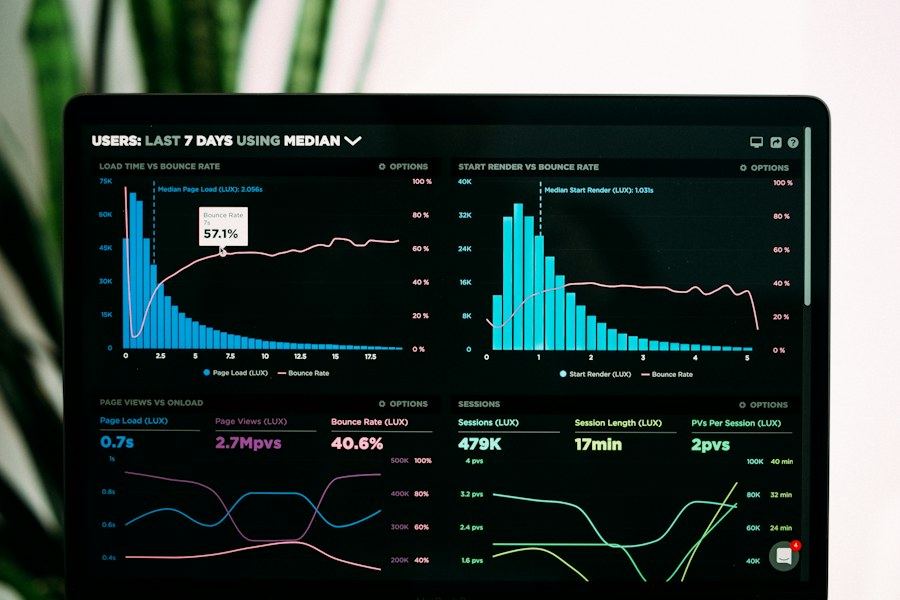
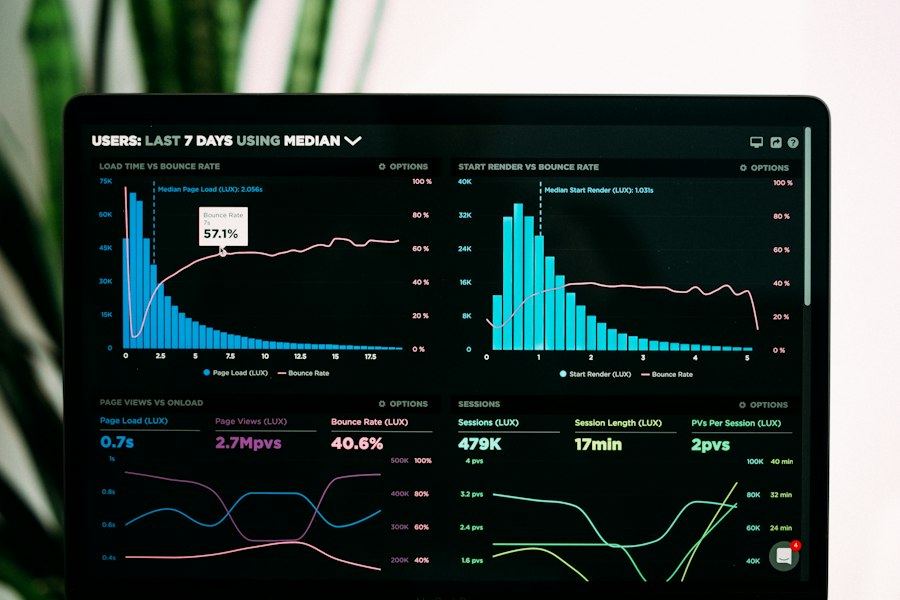
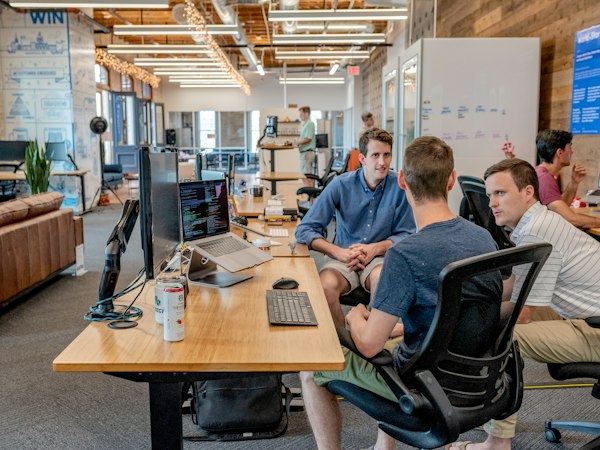
Cloud infrastructure environment supporting migration planning Application architecture and modernization constraints Data and performance signals shaping migration decisions
MIGRATION REALITY Infrastructure pressure, application complexity, data foundations and operating readiness all converge in the migration plan.
Workload Paths

Not every workload should take the same route to cloud.

Choose the path based on business value, technical constraint, risk and how much change the workload can absorb.

01

Rehost

Move with minimal application change.

02

Replatform

Move while improving selected platform components.

03

Refactor

Restructure where architecture limits scale or change.

04

Replace / Retire

Do not migrate what no longer deserves a future state.

Migration Factory

Treat migration as a repeatable delivery system—not a sequence of one-off moves.

A migration factory creates repeatable patterns for discovery, landing zones, testing, cutover and operational handoff so later waves become faster, safer and easier to govern.

Migration planning workshop Infrastructure environment prepared for migration
REPEATABLE DELIVERY Standards, templates and wave governance reduce variability as migration scales.
01 Discovery and workload assessment
DISCOVER & CLASSIFY

Inventory workloads, dependencies and operational constraints.

Build an actionable view of applications, environments, data paths, integration points, compliance considerations and business criticality before planning the move.

02 Target platform and landing zone preparation
PREPARE THE TARGET

Establish landing zones, patterns and wave-readiness standards.

Define baseline architecture, identity, networking, security, automation, monitoring, backup and cutover patterns so migrations do not start from scratch every time.

03 Migration execution across teams
MIGRATE & VALIDATE

Move in waves with technical validation and business sign-off.

Execute cutover with testing, rollback logic, performance checks, data verification and business acceptance so each migration wave teaches the next one.

04 Operational monitoring after migration
OPERATE & IMPROVE

Hand off with ownership, observability and optimization built in.

The migration factory closes the loop by transferring runbooks, support ownership, monitoring, cost visibility and improvement signals into the target operating model.

Migration Wave Plan

Sequence workloads around dependency, business tolerance and what each wave teaches the next.

A wave plan should do more than divide applications into batches. It should expose prerequisites, define what is safe to learn first and create decision gates before higher-risk workloads move.

THE SEQUENCING RULE Start where learning is valuable and business impact is controlled. Expand only when the migration system proves it can support the next level of complexity.
Cloud infrastructure environment used for migration wave planning
WAVE DESIGN Dependency maps, cutover tolerance and operational readiness determine what moves together.
00
FOUNDATION & PILOT

Prove the migration system before scaling it.

Establish landing-zone readiness, connectivity, security, automation, observability and a controlled pilot workload.

FocusPatterns · Controls · Runbooks
EXIT GATECan the target environment be operated safely?
01
LOWER-COMPLEXITY WORKLOADS

Build repetition and confidence.

Move workloads with manageable dependencies and business impact to validate tooling, handoffs and support processes.

FocusRepeatability · Timing · Support
EXIT GATEAre cutover and recovery patterns repeatable?
02
CORE APPLICATIONS & DATA

Move connected business-critical workloads.

Sequence applications, databases, integrations and shared services where dependency management and business continuity matter more.

FocusDependencies · Data · Continuity
EXIT GATECan the business operate through the cutover?
03
OPTIMIZE & MODERNIZE

Use the new foundation to improve what comes next.

Shift from relocation to modernization through platform services, automation, resilience, cost optimization and architecture improvement.

FocusModernization · Efficiency · Scale
NEXT HORIZONWhat should now be replatformed, refactored or retired?
Landing Zone & Operating Model

The target cloud needs governance and operations before it needs scale.

Identity, network, security, deployment, observability, cost visibility and support ownership should be designed as part of migration—not added later as cleanup work.

OPERATING PRINCIPLE A landing zone is not just an account structure. It is the operating framework the migrated environment will depend on.
Cloud governance and operations environment
TARGET STATESecure, observable and supportable from day one.
IDENTITY & ACCESS Role design, privileged access, federation and account boundaries.
NETWORK & CONNECTIVITY Segmentation, routing, interconnects and environment isolation.
SECURITY CONTROLS Policy baselines, encryption, secrets, compliance and guardrails.
DEPLOYMENT & DEVOPS Reusable pipelines, environment promotion and change controls.
OBSERVABILITY Monitoring, logging, alerting and operational visibility across workloads.
BACKUP & RECOVERY Recoverability design, business continuity and resilience readiness.
COST MANAGEMENT Tagging, allocation, visibility and governance for spend decisions.
SUPPORT & OWNERSHIP Runbooks, escalation paths, service ownership and operating accountability.
Business Outcomes

Migration should leave the environment easier to operate and easier to change.

Success is not just workload location. It is a target environment with clearer ownership, stronger resilience, better visibility and a more credible foundation for modernization.

Operating environment with clearer ownership after migration
01 · OPERATING CLARITY

Clearer operating ownership across platforms, teams and support boundaries.

Migration should reduce ambiguity about who owns environments, incidents, change, cost and post-cutover improvement.

Monitoring and operational visibility
02 · VISIBILITYImproved resilience, observability and operational awareness.
Teams ready for future modernization
03 · MODERNIZATIONA stronger foundation for future modernization and platform change.
Cross-functional teams aligned around a cloud operating model
04 · REDUCED CONSTRAINTSFewer infrastructure constraints and more flexibility in how the business evolves its workloads.
ITMagix Service Model

Move across the technology lifecycle without losing context.

Transform is the current service family. Build, Automate and Operate connect when strategy moves into product delivery, intelligence or ongoing technology operations.

Transform with ITMagix

Bring the workloads and constraints behind your cloud move.

Start with the applications, infrastructure, deadlines or operating concerns driving the migration. We’ll help define the target architecture, migration waves and readiness work.

START HEREStart with the situation, not a predefined solution.Discuss Your Cloud Migration